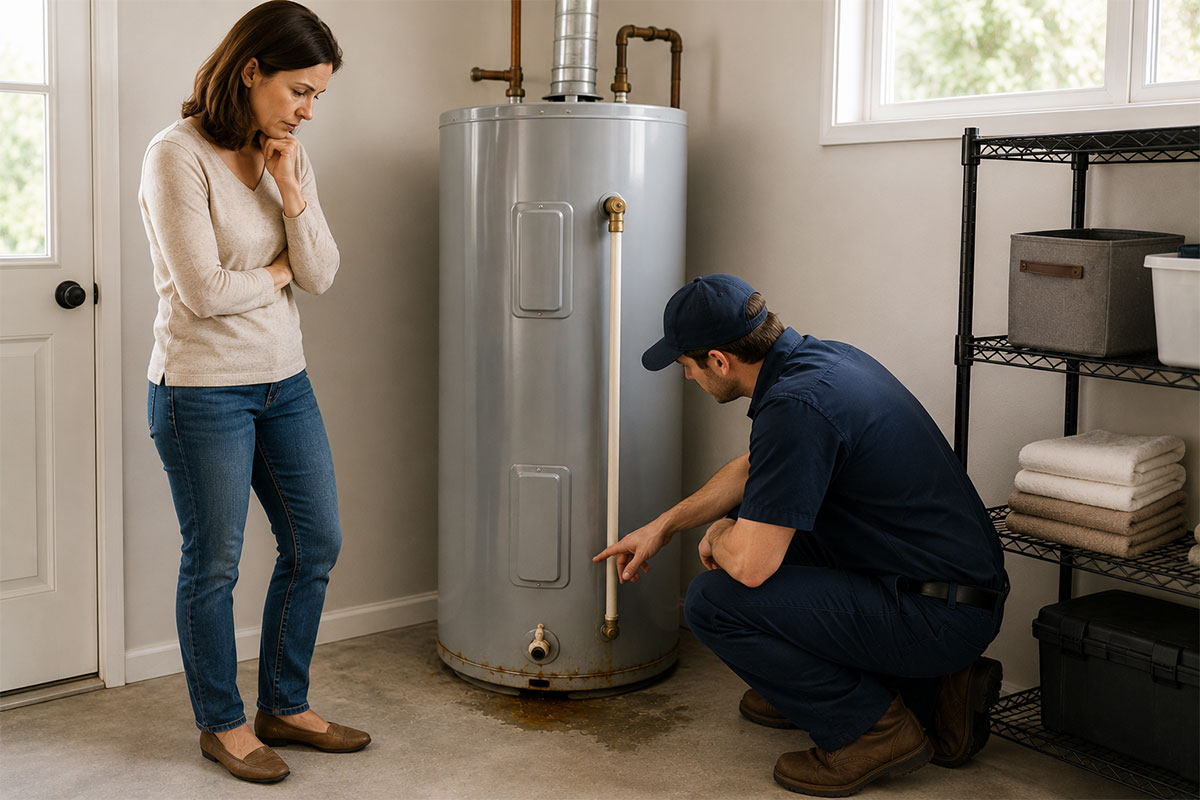

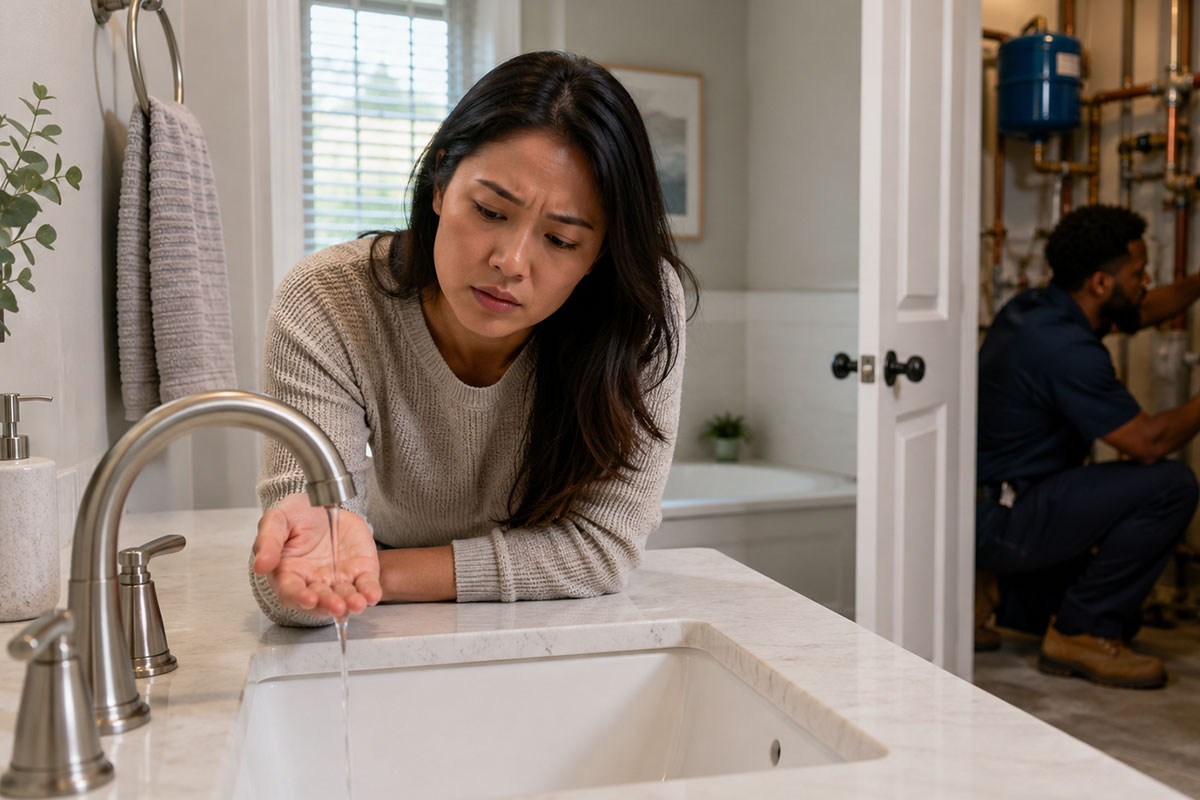
Low hot water pressure can make everyday tasks such as showering, washing dishes, and operating commercial equipment slower and less convenient. When cold water flows normally but hot water pressure is noticeably weaker, the problem is often connected to the water heater, hot water supply lines, or individual plumbing fixtures.
Mineral buildup is one of the most common causes, particularly in properties with hard water. Over time, calcium and other minerals can collect inside pipes, faucets, showerheads, valves, and water heater connections. As these deposits accumulate, they restrict water flow and gradually reduce pressure throughout the hot water system.
Sediment buildup inside a tank-style water heater may also affect performance. Minerals and debris settle at the bottom of the tank and can contribute to reduced efficiency, unusual noises, inconsistent water temperatures, and restricted flow. Routine maintenance may help limit sediment accumulation and extend the life of the equipment.
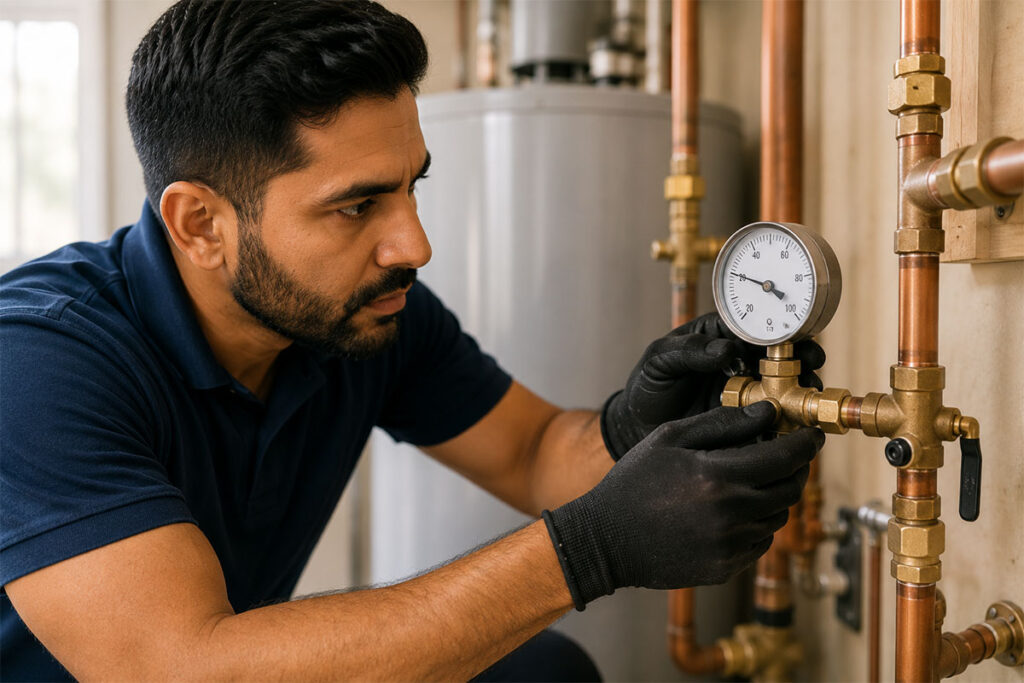
Low hot water pressure is often more than a minor inconvenience. Mineral buildup, aging pipes, restricted valves, and water heater issues can gradually reduce flow, increase operating costs, and place additional strain on the plumbing system if the underlying cause is not addressed.
Partially closed or damaged valves can also limit hot water pressure. The shutoff valve supplying the water heater should be fully open, while older valves may develop internal wear or corrosion that restricts flow even when they appear to be operating normally.
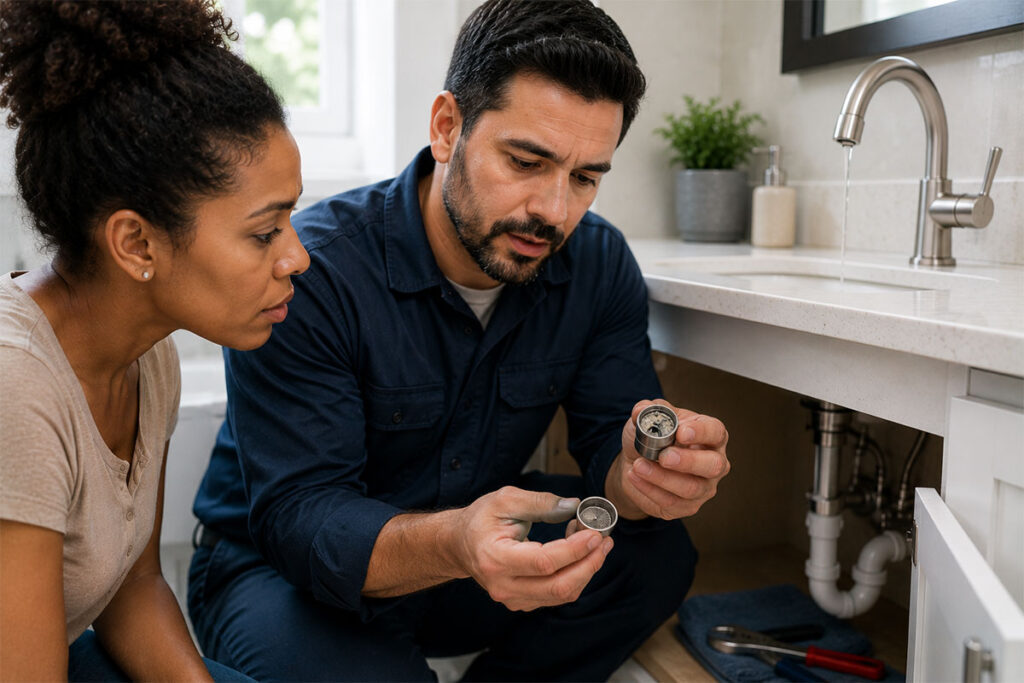
If low pressure affects only one faucet or shower, the issue may be isolated to that fixture. A clogged aerator, blocked showerhead, worn cartridge, or kinked supply line may be responsible. Cleaning or replacing the affected component can often restore normal water flow.
When low pressure occurs throughout an entire home or commercial property, aging or corroded hot water pipes may be the cause. Older metal pipes can develop internal buildup that narrows the available passage for water. Leaks, undersized piping, or high demand from multiple fixtures may also contribute to poor performance.
A qualified plumber can compare hot and cold water pressure, inspect the water heater and valves, and determine whether the problem is caused by a fixture, restricted pipe, equipment issue, or broader system limitation. Identifying the source early helps restore reliable hot water flow and prevents unnecessary repairs or equipment replacement.